

🦷 A Healthy Smile: The Complete Guide to Naturally Strengthen Teeth and Gums
🪥 Why a Healthy Smile Starts from Within
Your smile is far more than just a feature of your appearance — it is a true reflection of your overall vitality, internal balance, and even your lifestyle choices. A bright, confident smile often signals that your body is well-nourished and functioning properly, while signs like sensitive teeth, bleeding gums, or persistent discomfort can indicate underlying imbalances that go beyond simple oral hygiene.
Many people focus solely on brushing and flossing, believing that these actions alone are enough to maintain a strong and healthy smile. While daily oral care is essential, it is only one part of a much larger picture. Your teeth and gums are living tissues that respond to your nutrition, hydration, immune function, and even stress levels. Ignoring these factors can slowly weaken your enamel, inflame your gums, and make your mouth more susceptible to bacterial imbalance and discomfort over time.
In this guide, you will discover how to strengthen and protect your teeth and gums by adopting a holistic approach. We will cover simple yet effective daily habits, natural nutrition that fuels oral health from the inside, and science-backed supplements that provide additional support. By understanding the root causes of oral weakness and addressing them systematically, you can restore the natural strength, shine, and resilience of your smile — all while promoting overall wellness and vitality.
Taking care of your smile is not just a cosmetic choice; it is a long-term investment in your health, confidence, and quality of life. By integrating these strategies, you can ensure that your smile remains strong, radiant, and truly reflective of your inner well-being.
1. What Really Weakens Teeth and Gums
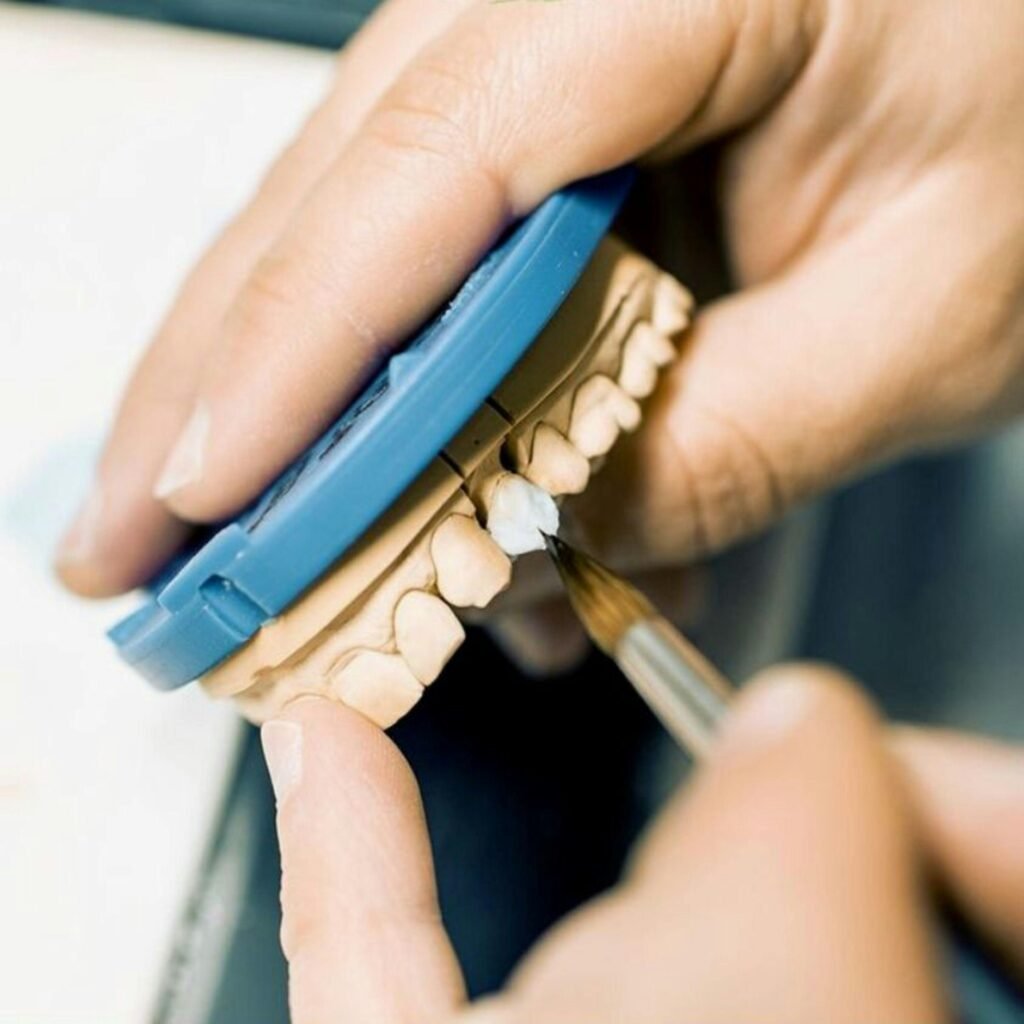
Many people assume that dental issues are caused solely by skipping brushing or eating too much sugar. While these factors certainly contribute, the reality is far more complex. Your teeth and gums are living tissues, constantly interacting with your diet, lifestyle, immune system, and even stress levels. Understanding these connections is crucial to truly strengthening your smile.
Nutrient Deficiency: The Foundation of Oral Weakness
Teeth and gums require a steady supply of nutrients to maintain their strength and resilience. Calcium, vitamin D, and vitamin K2 are particularly important. Calcium is the primary building block of enamel, the protective outer layer of your teeth. Without sufficient calcium, enamel becomes thin, porous, and more prone to decay. Vitamin D ensures that calcium is absorbed efficiently, while K2 directs it to the teeth rather than accumulating in arteries.
Magnesium is another critical nutrient. It supports bone density and the mineralization of teeth, while phosphorus maintains enamel hardness. Deficiencies in any of these nutrients can quietly undermine your oral health over time, often without obvious symptoms until problems appear.
Dietary Choices: More Than Just Sugar
Excess sugar is well-known for feeding harmful bacteria that produce acids, eroding enamel and inflaming gums. However, it’s not only sugar that poses a risk. Acidic foods and beverages, like sodas, citrus, and processed snacks, can weaken enamel gradually. A diet lacking in whole foods, fiber, and antioxidants deprives your oral tissues of the protective compounds they need to resist inflammation and infection.
Additionally, frequent snacking throughout the day keeps your teeth exposed to acids for longer periods, creating an environment where enamel erosion and bacterial imbalance are more likely to occur.
Chronic Inflammation: A Hidden Enemy
Inflammation in the body does not stop at the mouth. Conditions like obesity, metabolic syndrome, or chronic stress can increase systemic inflammation, which often manifests as swollen, bleeding, or tender gums. Your gums are highly vascular and sensitive to inflammation, making them excellent indicators of overall internal health. Addressing inflammation with balanced nutrition, stress management, and regular physical activity is just as important as brushing or flossing.
Oral Microbiome Imbalance: The Silent Saboteur
Your mouth hosts hundreds of bacterial species, both beneficial and harmful. A healthy oral microbiome keeps harmful bacteria in check, prevents bad breath, and protects against decay. Disruptions caused by antibiotics, poor diet, or chronic stress can shift this balance, allowing pathogenic bacteria to dominate. This imbalance contributes to plaque formation, gum inflammation, and sensitivity — often without any initial pain or visible damage.
Lifestyle and Environmental Factors
Other factors, such as smoking, alcohol consumption, and even certain medications, can also compromise oral tissues. Smoking restricts blood flow to gums, slowing healing and increasing susceptibility to infection. Alcohol and some medications can dry out the mouth, reducing saliva production, which is vital for neutralizing acids and washing away bacteria.
Taking a Holistic Approach
To protect your teeth and gums, it’s important to go beyond surface-level care. Brushing and flossing are essential, but addressing nutrient intake, reducing inflammation, supporting a balanced microbiome, and managing lifestyle factors will create long-lasting resilience. By understanding these root causes, you can make informed decisions and implement strategies that strengthen your smile naturally and sustainably.
2. Daily Habits That Transform Your Oral Routine

Maintaining a radiant smile goes far beyond brushing and flossing. While these basic habits are crucial, developing a daily routine that supports teeth and gums from the inside out can dramatically improve oral resilience and comfort. By integrating thoughtful habits, mindful nutrition, and natural supplementation, you can protect your enamel, strengthen gum tissue, and support your mouth’s microbiome.
1. Brushing Techniques Matter
Many people brush too hard or too quickly, believing that more pressure equals cleaner teeth. In reality, aggressive brushing can wear down enamel, irritate gums, and even create small abrasions that allow bacteria to penetrate sensitive areas. The ideal brushing method involves gentle, circular motions with a soft-bristled toothbrush. Spending at least two minutes twice a day ensures that plaque is removed without damaging protective surfaces.
💡 Pro tip: Consider a toothpaste enriched with natural minerals or herbal extracts. Ingredients like xylitol can help reduce harmful bacteria, while silica-based formulations strengthen enamel naturally.
2. Flossing: The Invisible Protector
Flossing may feel tedious, but it is essential for reaching areas where your toothbrush cannot. Plaque accumulation between teeth is a primary cause of gum inflammation and bad breath. Daily flossing removes debris and supports the health of delicate gum tissues.
🔹 Tip: If traditional floss is uncomfortable, try waxed or tape-style floss, or consider interdental brushes. These alternatives are effective and often easier for beginners.
3. Hydration Supports Oral Function
Saliva is a natural defense mechanism that neutralizes acids, washes away food particles, and supports enamel remineralization. Dehydration reduces saliva production, leaving teeth vulnerable to decay and gums more prone to irritation. Drinking adequate water throughout the day is a simple yet powerful habit that reinforces oral resilience.
4. Timing Your Meals and Snacks
Frequent snacking, especially on sugary or acidic foods, keeps teeth exposed to harmful acids for extended periods. This environment accelerates enamel erosion and promotes bacterial imbalance. Limiting snacks between meals and choosing tooth-friendly options — such as raw vegetables, nuts, or sugar-free gum — helps protect enamel and maintain a stable oral environment.
5. Mindful Rinsing and Mouthwashes
Rinsing after meals with water or natural herbal infusions can neutralize acids and remove debris. Mouthwashes containing plant-based antibacterial agents, such as green tea, sage, or aloe vera, can further support oral microbiome balance without relying on harsh chemicals. This practice complements brushing and flossing by reaching areas that may otherwise be neglected.
6. Oil Pulling: An Ancient Practice with Modern Benefits
Oil pulling is a traditional practice involving swishing natural oils (like coconut or sesame oil) in the mouth for several minutes. This practice can reduce bacterial load, improve gum tissue comfort, and promote a cleaner oral environment. While not a replacement for brushing or flossing, it serves as a complementary ritual for those seeking holistic support.
7. Natural Supplements to Strengthen Daily Care
Even with impeccable habits, some people benefit from targeted supplementation to address nutrient gaps and support oral tissue repair. Consider:
- Probiotics: Help maintain a healthy oral microbiome and reduce plaque formation.
- Calcium, Vitamin D3, and K2: Support enamel strength and proper mineralization.
- CoQ10: Encourages gum tissue repair and reduces inflammation.
These supplements, when used alongside daily habits, create a synergistic effect that reinforces overall oral resilience.
8. Consistency is Key
The most powerful aspect of any routine is consistency. Small daily actions — brushing properly, flossing, staying hydrated, choosing the right foods, and supporting your system with natural supplements — accumulate over time to create measurable improvements in gum strength, enamel durability, and overall comfort.
By viewing oral care as a holistic practice rather than a series of isolated actions, you transform your daily routine into a foundation for a strong, radiant smile.
3. Foods That Naturally Strengthen Your Smile

Your diet is one of the most powerful tools for supporting teeth and gum resilience. While brushing, flossing, and hydration are essential, what you eat provides the building blocks for strong enamel, healthy gum tissue, and a balanced oral microbiome. By incorporating specific nutrients and foods into your daily meals, you can protect your smile naturally while also supporting overall vitality.
1. Calcium: The Backbone of Strong Enamel
Calcium is the primary mineral that makes up tooth enamel, the protective outer layer that shields teeth from decay and sensitivity. Foods rich in calcium, such as yogurt, cheese, and fortified plant-based milks, provide your teeth with essential support. Consuming calcium daily ensures your enamel remains dense and resistant to wear over time.
💡 Tip: Pair calcium-rich foods with vitamin D sources, like eggs or sunlight exposure, to enhance absorption. Supplements combining calcium and vitamin D3 can fill any nutritional gaps.
2. Vitamin D3 & Vitamin K2: Guiding Minerals Where They’re Needed
Vitamin D3 is crucial for calcium absorption, while vitamin K2 directs calcium to bones and teeth instead of soft tissues or arteries. Leafy greens, fermented foods, and certain cheeses provide small amounts of K2 naturally, but supplementation may be useful for optimal levels. Together, these vitamins ensure minerals are effectively deposited where your body needs them most, strengthening teeth and supporting gum tissue.
3. Magnesium and Phosphorus: Reinforcing Mineral Density
Magnesium and phosphorus work synergistically with calcium to maintain enamel hardness and overall oral structure. Nuts, seeds, whole grains, and leafy vegetables are excellent sources. A magnesium-rich diet not only supports oral tissues but also contributes to relaxation and reduced systemic inflammation, indirectly benefiting gum comfort.
4. Vitamin C: Strengthening Gums from Within
Vitamin C is essential for collagen synthesis, a protein that forms the foundation of gum tissue. Adequate vitamin C intake prevents gum inflammation, reduces bleeding, and supports tissue repair. Citrus fruits, berries, bell peppers, and broccoli are rich in this vitamin. For individuals with limited intake, a natural vitamin C supplement can ensure optimal gum resilience.
5. Antibacterial and Anti-inflammatory Foods
Certain natural foods help manage harmful bacteria and reduce inflammation in the mouth:
- Garlic and ginger: Contain compounds that inhibit bacterial growth.
- Green tea: Rich in polyphenols that neutralize oral bacteria and reduce plaque formation.
- Cranberries: Prevent bacteria from adhering to tooth surfaces, reducing the risk of decay.
Including these foods regularly contributes to a balanced oral microbiome and overall oral comfort.
6. Fiber-Rich Foods: Natural Cleansing Agents
Raw vegetables and fruits, like carrots, celery, and apples, act as natural scrubbers. Chewing these foods stimulates saliva production, which helps neutralize acids, wash away food particles, and maintain a protective pH balance in the mouth. This mechanical and chemical cleaning is a natural complement to brushing and flossing.
7. The Role of Hydration
Water is not just for quenching thirst; it supports oral balance. Proper hydration maintains saliva flow, which protects enamel, reduces bacterial overgrowth, and aids in tissue repair. Sipping water throughout the day, especially after meals, enhances the benefits of nutrient-rich foods and strengthens oral defense.
8. Integrating Supplements with Diet
Even with a nutrient-rich diet, some people may need extra support to ensure their teeth and gums are fully nourished. Supplements like oral probiotics, mineral complexes (calcium, magnesium, phosphorus), and antioxidant-rich formulations can help fill gaps, maintain microbial balance, and reinforce tissue health.
9. Building a Daily Meal Plan for Oral Strength
To maximize the benefits of nutrition for your smile, structure your day with the following principles:
- Breakfast: Yogurt with berries and seeds for calcium, vitamin C, and antioxidants.
- Midday Snack: Raw vegetables or nuts to stimulate saliva and provide minerals.
- Lunch: Leafy green salad with a protein source, ensuring vitamin K2 and magnesium intake.
- Afternoon Snack: Green tea and cranberries or an apple to promote antibacterial effects.
- Dinner: Balanced meal with vegetables, lean protein, and healthy fats.
- Throughout the Day: Water to maintain hydration and saliva flow.
10. Consistency and Mindful Eating
The true impact of these foods is cumulative. Regular, mindful choices that prioritize nutrient-dense, minimally processed foods ensure long-term enamel strength and gum health. Combining these dietary habits with daily oral care and supportive supplements creates a powerful, holistic strategy for a radiant, resilient smile.
4. Natural Supplements That Support Oral Strength
Even with a balanced diet and consistent oral care, some individuals benefit from targeted supplementation to ensure optimal enamel strength, gum comfort, and microbiome balance. Supplements act as a support system, filling nutritional gaps that may not be fully covered by diet alone. When chosen wisely, they can enhance the resilience of your teeth and gums naturally.
1. Oral Probiotics: Supporting the Microbiome
A healthy oral microbiome is crucial for preventing plaque buildup, reducing inflammation, and maintaining fresh breath. Oral probiotics, containing beneficial strains such as Lactobacillus reuteri or Streptococcus salivarius, help maintain a balanced bacterial environment. By encouraging good bacteria, these supplements complement daily brushing and flossing and contribute to overall oral comfort.
2. Calcium, Vitamin D3, and Vitamin K2 Complexes
These minerals and vitamins work synergistically to strengthen enamel and gum tissue. Calcium provides the structural foundation, while vitamin D3 ensures its absorption. Vitamin K2 directs calcium to teeth and bones instead of soft tissues, supporting proper mineral distribution. For individuals who struggle to obtain sufficient amounts through diet alone, high-quality supplements can fill these gaps safely.
3. Coenzyme Q10 (CoQ10)
CoQ10 is a naturally occurring antioxidant that supports tissue repair and healthy blood circulation. Supplementing with CoQ10 can help maintain gum integrity and comfort, especially in cases where mild inflammation or sensitivity occurs. While it doesn’t treat conditions, it supports natural regenerative processes in oral tissues.
4. Antioxidant and Anti-inflammatory Formulations
Herbal extracts like green tea, grape seed, and turmeric contain compounds that help reduce oxidative stress in oral tissues. These supplements provide additional support to combat inflammation, maintain gum comfort, and promote overall oral balance. When combined with a nutrient-rich diet, antioxidants reinforce the body’s natural protective mechanisms.
5. Magnesium and Phosphorus Supplements
Both minerals play a key role in enamel strength and gum health. Magnesium supports tissue repair and contributes to relaxation, indirectly benefiting oral comfort, while phosphorus strengthens enamel structure. Supplementing with these minerals ensures that your teeth and gums receive essential building blocks for resilience.
6. Integrating Supplements into Your Daily Routine
To maximize effectiveness, supplements should be part of a broader, consistent oral care routine:
- Take probiotics in the morning or with meals to optimize absorption.
- Include mineral and vitamin complexes with meals rich in healthy fats to enhance uptake.
- Combine antioxidant supplements with a diet abundant in colorful fruits and vegetables.
Consistency is key; natural support works best when integrated into daily habits, alongside brushing, flossing, and nutrient-rich meals.
7. Choosing High-Quality Supplements
Always select supplements from trusted brands that provide transparent ingredient lists and follow safety standards. Look for certifications, third-party testing, and clear labeling of dosages. Avoid products making exaggerated claims — the goal is to support your oral tissues naturally, not to promise instant results.
8. The Holistic Benefit
While supplements alone cannot replace good nutrition or proper oral hygiene, they act as a valuable adjunct, supporting enamel strength, gum comfort, and microbial balance. By combining natural supplementation with mindful eating and consistent oral care, you create a strong foundation for long-term oral resilience and a confident smile.
5. A 7-Step Daily Routine for a Stronger Smile

Creating a resilient smile requires consistency and attention to daily habits. Small, thoughtful actions taken every day accumulate into long-term strength and comfort for your teeth and gums. This 7-step routine combines practical oral care, mindful nutrition, and natural supplementation to support a radiant smile from morning to night.
1. Start Your Day with Gentle Brushing
Begin with a soft-bristled toothbrush and gentle circular motions for at least two minutes. Focus on all tooth surfaces, including the gum line, where plaque tends to accumulate. Avoid aggressive brushing, which can erode enamel and irritate gums.
💡 Tip: Toothpaste with natural minerals or herbal extracts can reinforce enamel and support oral microbial balance.
2. Floss or Use Interdental Brushes
Flossing reaches areas your toothbrush cannot, removing trapped food and plaque. Daily use prevents gum inflammation, bleeding, and discomfort. For those new to flossing, interdental brushes or soft waxed floss are effective alternatives.
3. Rinse Mindfully After Meals
Rinsing with water or natural herbal solutions, like green tea or aloe vera infusions, helps neutralize acids, wash away debris, and maintain a balanced oral environment. This practice complements brushing and flossing by targeting hard-to-reach areas.
4. Stay Hydrated Throughout the Day
Adequate water intake ensures saliva production, which naturally protects teeth and gums by neutralizing acids, washing away food particles, and supporting tissue repair. Sipping water consistently is simple yet crucial for oral resilience.
5. Eat a Balanced, Nutrient-Rich Diet
Incorporate foods that provide vitamins and minerals essential for enamel strength and gum comfort:
- Calcium-rich foods (yogurt, cheese, fortified plant milks)
- Vitamin C sources (bell peppers, berries, broccoli)
- Magnesium and phosphorus from nuts, seeds, and leafy greens
- Antioxidants from colorful fruits and vegetables
These foods help maintain tissue integrity and reduce inflammation.
6. Include Natural Supplements as Needed
Targeted supplementation can fill nutritional gaps and support oral tissues:
- Probiotics: Promote a balanced oral microbiome.
- Calcium, Vitamin D3, K2: Support enamel and gum resilience.
- CoQ10 and antioxidants: Encourage tissue repair and reduce mild inflammation.
Supplements should complement, not replace, a nutrient-rich diet and daily oral care.
7. Evening Routine: Brush, Floss, and Reflect
End your day with thorough brushing and flossing. Remove food debris and plaque before sleep to prevent overnight bacterial growth. Evening is also a good time to rinse with water or herbal infusions and take any recommended supplements. Reflect briefly on your day, noting any habits that could be improved for better oral comfort tomorrow.
Consistency is the Secret
Following this 7-step routine daily ensures that your teeth and gums receive comprehensive support. Over time, this holistic approach strengthens enamel, maintains gum comfort, and supports a balanced oral microbiome, creating a smile that reflects your inner vitality.
Even small adjustments — like integrating a probiotic supplement, choosing enamel-friendly foods, or rinsing after meals — accumulate into meaningful long-term benefits. Remember, oral resilience comes from consistency, education, and mindful care, rather than quick fixes or extreme measures.
6. Signs Your Smile Needs Extra Support
Even with consistent care, your teeth and gums may sometimes show subtle signs that additional attention is needed. Recognizing these signals early allows you to take preventive action, reinforce oral resilience, and maintain comfort and confidence in your smile.
1. Sensitive Teeth
Sensitivity to hot, cold, or sweet foods can indicate enamel thinning or minor gum recession. While occasional sensitivity is common, frequent discomfort suggests that your teeth may benefit from remineralizing nutrients, like calcium, phosphorus, and vitamin D3. Using toothpaste with natural minerals and incorporating supplements can help support enamel strength over time.
2. Bleeding or Tender Gums
Occasional bleeding when brushing or flossing is a signal that gum tissue may be inflamed. This can result from plaque buildup, nutrient deficiencies, or microbial imbalance. Regular brushing, gentle flossing, and consuming vitamin C–rich foods or supplements can improve gum resilience. Maintaining a balanced oral microbiome with probiotics also supports healthy gum tissue.
3. Persistent Bad Breath
Chronic bad breath, even with good hygiene, may indicate a microbial imbalance in your mouth. Harmful bacteria can thrive in areas you cannot easily reach. Natural solutions include rinsing with herbal infusions, consuming prebiotic and probiotic foods or supplements, and staying hydrated to maintain saliva flow.
4. Discoloration or Dull Enamel
Yellowing or dull teeth can result from enamel wear, dietary habits, or staining foods and drinks. Strengthening enamel through mineral-rich foods and supplements, as well as gentle brushing, can help maintain brightness. Antioxidant-rich foods, such as berries, also protect tissues from oxidative stress that can affect appearance.
5. Cracks or Chips
Small cracks or chips may indicate enamel fragility. Supporting enamel with calcium, magnesium, and phosphorus, along with avoiding excessive acidic foods, can prevent further damage. Protective habits like chewing slowly and using teeth only for food, not opening packages, are simple but effective strategies.
6. Increased Plaque or Tartar Buildup
Excess plaque or tartar, even with regular brushing, may signal that your oral environment is imbalanced. Nutrient support, probiotics, and proper hydration help reduce bacterial overgrowth. Consistent cleaning techniques and mindful oral habits reinforce your defenses against plaque formation.
7. General Oral Discomfort
Frequent sensitivity, soreness, or discomfort may indicate that your teeth and gums need extra support. Natural supplements, targeted nutrition, and consistent oral care routines help maintain tissue integrity and comfort, complementing daily hygiene practices.
Taking Action Early
By recognizing these subtle warning signs, you can implement supportive habits and natural supplementation before minor issues become more significant concerns. A holistic approach — combining diet, hydration, gentle oral care, and targeted supplements — strengthens enamel, promotes gum comfort, and maintains a balanced oral microbiome.
Addressing early signs proactively ensures your smile remains resilient, radiant, and reflective of your overall vitality, without relying on extreme measures or unsupported claims.
7. How Stress and Lifestyle Impact Your Smile

Our daily routines and emotional well-being play a significant role in the strength and comfort of our teeth and gums. Stress and lifestyle choices influence oral tissues indirectly through systemic effects, making it essential to address these factors for a resilient smile.
1. Stress and Its Biological Effects
Chronic stress triggers the release of cortisol, a hormone that can disrupt various body systems. Elevated cortisol levels may increase inflammation, reduce saliva production, and compromise tissue repair. These changes can manifest in the mouth as tender gums, sensitivity, and a higher risk of bacterial imbalance.
2. Sleep Patterns and Oral Balance
Poor sleep affects hormone regulation, immunity, and tissue recovery. Inadequate rest may worsen gum inflammation and reduce the mouth’s natural defenses. Establishing a consistent sleep routine, aiming for 7–9 hours of quality rest, supports oral tissues as well as overall vitality.
3. Physical Activity and Circulation
Regular exercise improves blood circulation, delivering essential nutrients and oxygen to oral tissues. Improved circulation supports gum resilience and tissue repair. Sedentary habits, on the other hand, can contribute to slower healing and weaker tissue integrity.
4. Dietary Habits and Lifestyle Choices
Lifestyle decisions, such as frequent consumption of processed foods, alcohol, or acidic beverages, can challenge enamel and gum comfort. Conversely, a balanced diet rich in minerals, vitamins, and antioxidants supports tissue strength and microbial balance. Mindful eating, limiting harmful foods, and maintaining hydration create a protective environment for your teeth and gums.
5. Habits That Stress Teeth
Certain lifestyle behaviors, like teeth grinding (bruxism) or nail-biting, increase wear and micro-damage. Stress management techniques, combined with protective strategies such as mouthguards at night, can help reduce enamel stress and preserve oral comfort.
6. Integrating Stress-Relief Practices
Mindfulness, meditation, yoga, or deep-breathing exercises reduce systemic inflammation and support overall tissue resilience. By managing stress effectively, you indirectly strengthen your gums and enamel, improving long-term comfort and stability.
7. Supplements That Support Stress Recovery
Certain natural supplements may help mitigate stress-related impacts on oral tissues:
- Magnesium: Supports relaxation and reduces tissue tension.
- Ashwagandha or adaptogenic herbs: Help regulate cortisol levels.
- Antioxidant complexes: Protect tissues from oxidative stress linked to chronic tension.
Integrating these with a holistic routine enhances the body’s natural capacity to repair and maintain oral resilience.
8. Consistency in Lifestyle Choices
Small, consistent lifestyle adjustments — adequate sleep, balanced nutrition, daily movement, and stress management — accumulate to create a strong foundation for oral comfort. Over time, these habits help maintain a balanced oral microbiome, protect enamel, and preserve gum integrity.
The Big Picture
Your smile is deeply connected to how you live your life. Stress, inadequate rest, poor nutrition, and harmful habits impact teeth and gums subtly but significantly. By addressing these factors and complementing daily routines with natural support, you create a resilient, radiant smile that reflects overall vitality and balance.
8. The Role of Regular Check-Ups and Preventive Care
Even the most consistent daily routine benefits from professional oversight. Regular visits to a dentist or oral care professional are essential for detecting subtle issues, reinforcing good habits, and maintaining long-term comfort and resilience.
1. Early Detection Prevents Escalation
Minor enamel wear, early gum tenderness, or microbial imbalance may not always be noticeable. Professional check-ups allow for early detection, preventing small issues from becoming more significant. Early intervention focuses on support and maintenance rather than reactive treatment.
2. Professional Cleaning: More Than Aesthetic
Routine cleanings remove plaque and tartar from areas unreachable by brushing and flossing. This not only improves appearance but also reinforces gum integrity and supports enamel health. Even with supplements and a strong diet, professional cleaning ensures optimal oral balance.
3. Tailored Advice for Daily Care
Every individual’s oral environment is unique. Professionals can provide personalized recommendations based on your routine, dietary habits, and any nutrient gaps. This may include advice on brushing techniques, flossing alternatives, or natural supplements to complement your daily regimen.
4. Preventive Measures for Specific Risks
Regular check-ups allow early identification of habits or factors that may stress your teeth, such as grinding, misalignment, or high acidity diets. Preventive solutions — like custom mouthguards or protective measures — can be implemented to reduce wear and protect enamel.
5. Monitoring Mineral and Nutrient Support
Professionals can assess whether your diet and supplements sufficiently support tissue strength and microbial balance. Blood tests or oral assessments may reveal deficiencies in calcium, vitamin D3, K2, magnesium, or other essential nutrients, allowing for targeted adjustments.
6. Reinforcing Education and Awareness
Check-ups are an opportunity to learn more about maintaining oral resilience. Professionals can explain how habits, foods, and natural supplements contribute to long-term comfort and strength, empowering you to make informed choices daily.
7. Complementing Natural Practices
While daily habits, nutrition, and natural supplements build a strong foundation, professional care ensures that your efforts are maximized. Combining holistic practices with preventive check-ups creates a comprehensive strategy that protects teeth and gums from multiple angles.
8. Frequency Recommendations
Most adults benefit from professional assessments every six months. Individuals with increased sensitivity, early enamel wear, or other minor concerns may benefit from more frequent visits. Consistent monitoring reinforces your daily routine and helps maintain long-term resilience.
The Holistic Approach
Integrating regular professional check-ups into your routine ensures that your natural practices — diet, hydration, brushing, flossing, and supplementation — achieve their full potential. By combining daily care with expert guidance, you create a resilient, radiant smile supported by both natural and professional strategies.
9. Building Long-Term Habits for a Confident Smile
A strong, radiant smile is the result of consistent habits developed over time. Creating routines that are easy to maintain ensures that enamel strength, gum comfort, and microbial balance are supported for years to come. Long-term habits are about consistency, awareness, and integrating supportive practices into daily life.
1. Morning Routine: Start Strong
Begin each day with a gentle brushing routine and flossing. Incorporate a rinse with water or herbal solutions like green tea, which support microbial balance. This sets the tone for the day, keeping your teeth and gums protected from the very first meal.
2. Balanced Nutrition Every Day
A nutrient-rich diet provides the building blocks for strong enamel and resilient gum tissue. Prioritize calcium, phosphorus, magnesium, and vitamins C, D3, and K2 through food and, when necessary, supplements. Incorporating antioxidant-rich fruits and vegetables protects tissues from oxidative stress over time.
3. Hydration and Saliva Support
Consistent water intake is crucial for saliva production, which naturally protects teeth and gums. Saliva neutralizes acids, washes away debris, and maintains microbial balance. Sipping water throughout the day reinforces the benefits of food and supplements.
4. Regular Supplement Integration
Supplements act as a support system for your long-term routine. Oral probiotics, mineral complexes, antioxidants, and adaptogens can complement your diet and lifestyle. Remember, supplements are an addition to daily practices, not a replacement for them.
5. Mindful Lifestyle Choices
Lifestyle habits — sleep, stress management, and physical activity — directly influence oral resilience. Adequate sleep, regular movement, and stress-relief practices like mindfulness or yoga support tissue repair and reduce systemic inflammation that could affect oral comfort.
6. Evening Routine: Close the Day Well
End your day with thorough brushing and flossing, removing food particles and plaque before sleep. Include hydration and, if recommended, supplements that support overnight tissue repair. This ensures that enamel and gums receive consistent care even during rest.
7. Consistency Over Perfection
Long-term habits focus on regularity rather than occasional perfection. Missing a routine occasionally is normal; the key is maintaining overall consistency. The cumulative effect of daily care, diet, hydration, and natural support builds resilience over time.
8. Tracking Progress and Awareness
Monitor changes in sensitivity, gum comfort, and overall oral resilience. Journaling habits or noting improvements reinforces awareness and encourages continued commitment. Awareness of your progress helps adapt routines and maintain motivation.
9. Education and Adaptation
Stay informed about new findings in nutrition, oral microbiome research, and natural supplements. Adapt your routine based on reliable, evidence-based sources. Lifelong learning ensures your habits remain effective and aligned with the best practices for long-term oral resilience.
10. Confidence Through Consistency
The ultimate benefit of building long-term habits is a confident smile that reflects internal balance and well-being. By consistently integrating oral care, nutrition, hydration, lifestyle adjustments, and natural supplementation, you support teeth and gums comprehensively, creating a lasting foundation for a radiant smile.
10. Final Tips for Maintaining a Radiant Smile

Achieving long-term comfort, enamel strength, and gum resilience is a journey that combines daily habits, mindful nutrition, natural supplementation, and regular professional guidance. This chapter provides actionable tips to help you maintain a confident, radiant smile over time.
1. Consistency is Key
A smile supported by consistent routines is stronger and more resilient. Daily brushing, flossing, hydration, balanced meals, and the thoughtful use of supplements create a foundation that naturally protects teeth and gums. Remember: small daily actions accumulate into long-term benefits.
2. Mindful Nutrition
Continuing to prioritize calcium, phosphorus, magnesium, vitamins C, D3, and K2 ensures enamel and gum resilience. Include antioxidant-rich foods and probiotics to maintain microbial balance and overall oral comfort. Supplements can fill any gaps, complementing a nutrient-rich diet.
3. Hydration Matters
Saliva is your mouth’s natural defense system. Stay hydrated throughout the day to neutralize acids, wash away food particles, and support tissue repair. Herbal teas and water-rich foods can enhance this natural protective mechanism.
4. Stress Management and Lifestyle Choices
Chronic stress, poor sleep, and sedentary habits subtly affect gum tissue and enamel integrity. Incorporate mindfulness, regular exercise, and restorative sleep practices to reduce systemic inflammation and support tissue resilience. Stress management indirectly strengthens your oral environment.
5. Regular Professional Oversight
Even with excellent daily care, professional check-ups ensure that potential issues are detected early. Regular cleanings, personalized advice, and monitoring of tissue and enamel health reinforce your efforts and provide additional layers of support.
6. Thoughtful Use of Natural Supplements
High-quality supplements, such as oral probiotics, mineral complexes, antioxidants, and adaptogens, support natural tissue repair and microbial balance. Choose products with transparent ingredients and proper certifications. Remember, these are supportive measures and complement, rather than replace, daily practices.
7. Avoid Harmful Habits
Reduce behaviors that place unnecessary stress on your teeth, such as teeth grinding, excessive acidic food consumption, and nail-biting. Protective measures and mindful adjustments in lifestyle protect enamel and gum comfort over time.
8. Monitor Your Progress
Track sensitivity, gum comfort, and overall oral balance. Awareness helps you adapt routines, ensure nutrient sufficiency, and maintain motivation for long-term care.
9. Lifelong Learning
Stay informed about new insights in oral microbiome research, nutrition, and natural supplementation. Reliable, evidence-based knowledge allows you to refine habits and maximize your smile’s resilience.
10. Embrace a Holistic Approach
Your smile is a reflection of overall vitality. By integrating daily care, balanced nutrition, hydration, stress management, regular professional guidance, and natural supplementation, you create a resilient, radiant smile that reflects internal balance and well-being. Confidence grows naturally from consistency and informed choices.
Legal Disclaimer
This content is for informational and educational purposes only. It does not substitute for professional advice or diagnosis. Always consult a qualified professional before beginning any new supplement routine or oral care practice.